

The smell of love?
Yeah, catchy title, huh? Ha ha ha! That is the first thing you usually notice about skunks in the springtime, though. Their smell. When they are busy looking for love during their mating season, they gather in groups called surfeits, and that is not a normal thing for them. Usually skunks are solitary animals. You often will smell skunks around without seeing them because they are busy being upset about all these other skunks around!
Before they ever resort to spraying, skunks actually try really hard to warn you off first. They will stomp their front feet, raise their tail, and sometimes even do a little handstand, all as a way of saying please just leave me alone. Spraying is truly a last resort for them, since it takes about a week and a lot of energy for their scent glands to refill. If a skunk sprays you, it genuinely felt like it had no other choice.
Here's something that surprised researchers not long ago. For years, scientists assumed predators like coyotes were simply born knowing to avoid a skunk's black and white coloring. But a study using coyotes raised in captivity, who had never encountered a skunk before, found that isn't true at all. Predators aren't born fearing skunks, they have to learn it, usually the hard way, through a very smelly trial and error. So that iconic stripe pattern isn't some automatic warning signal hardwired into a predator's brain, it's a lesson every young coyote or fox has to learn for itself, one unfortunate encounter at a time.
These little omnivorous creatures will give birth in the springtime to anywhere from 2 to 10 babies, called kits, in a den. Under large rocks, hollowed logs, and even under house porches, is where they sleep during the day and come out at night to eat. Sadly, they only live for about 2 to 3 years in the wild so have terribly short lifespans. Having them in your yard is helpful because they often eat insects and grubs that eat our garden plants and flowers.
Skunks are also surprisingly picky eaters for an omnivore, adjusting what they hunt season to season. In the spring and summer they will eat mostly insects, grubs, and small rodents, and in the fall they shift toward eating more berries, nuts, and fruit to fatten up before winter. They do not truly hibernate, but they do slow way down and den up together to conserve warmth on the coldest nights.
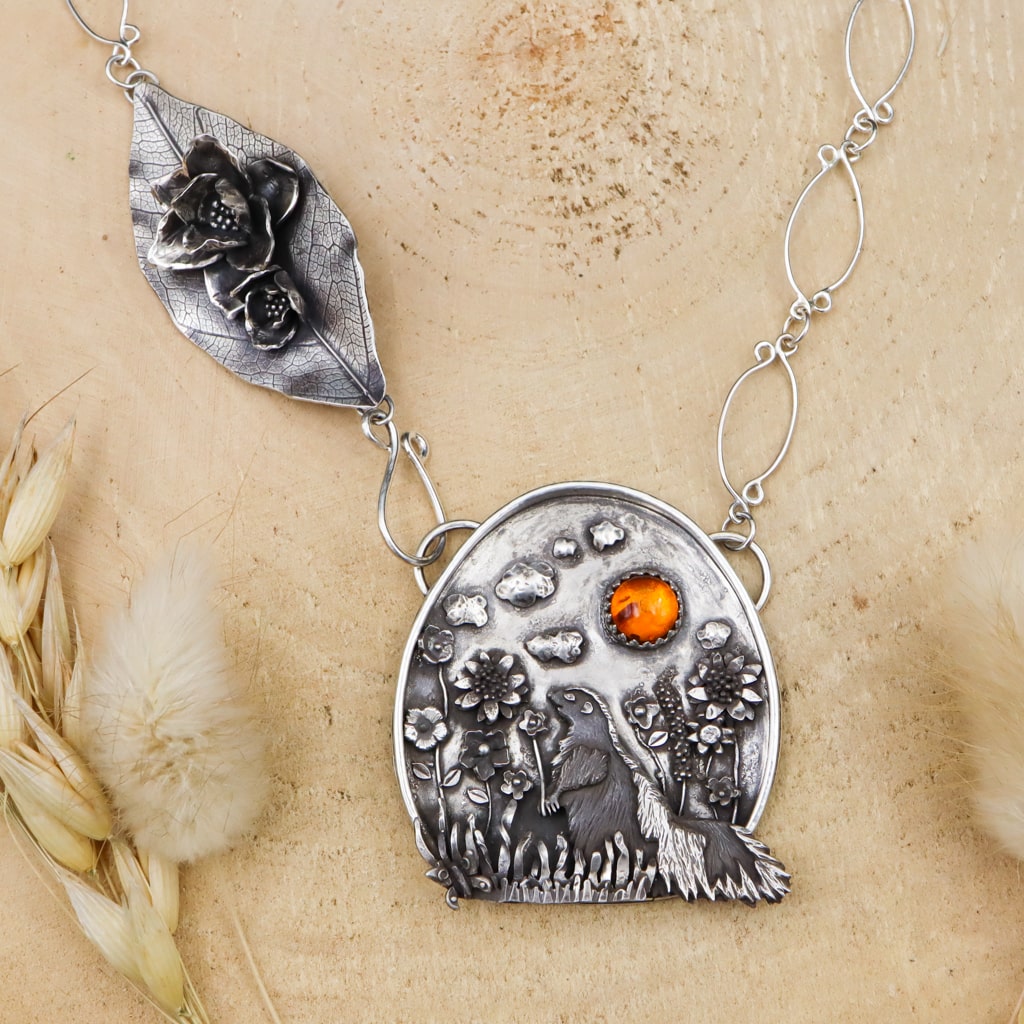
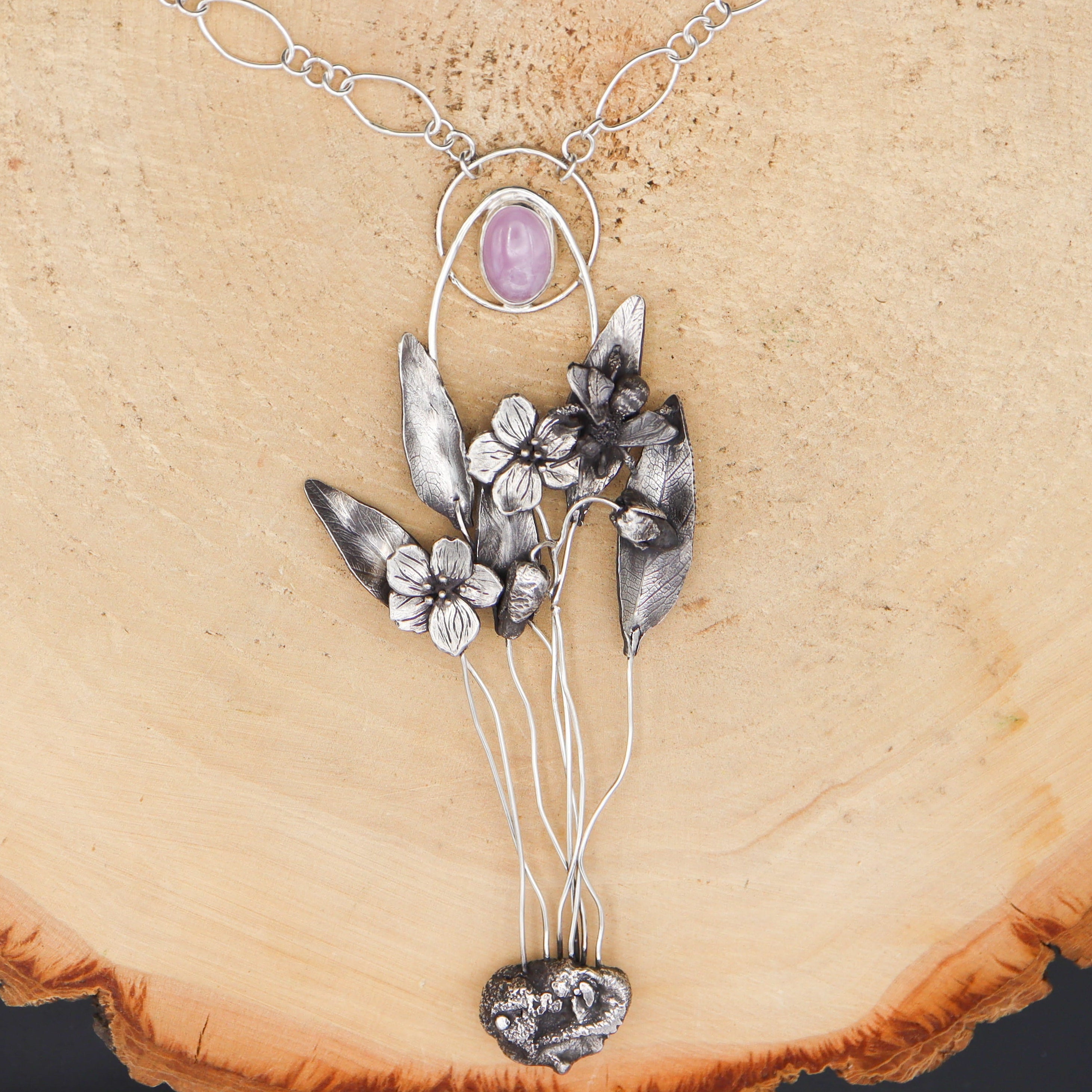
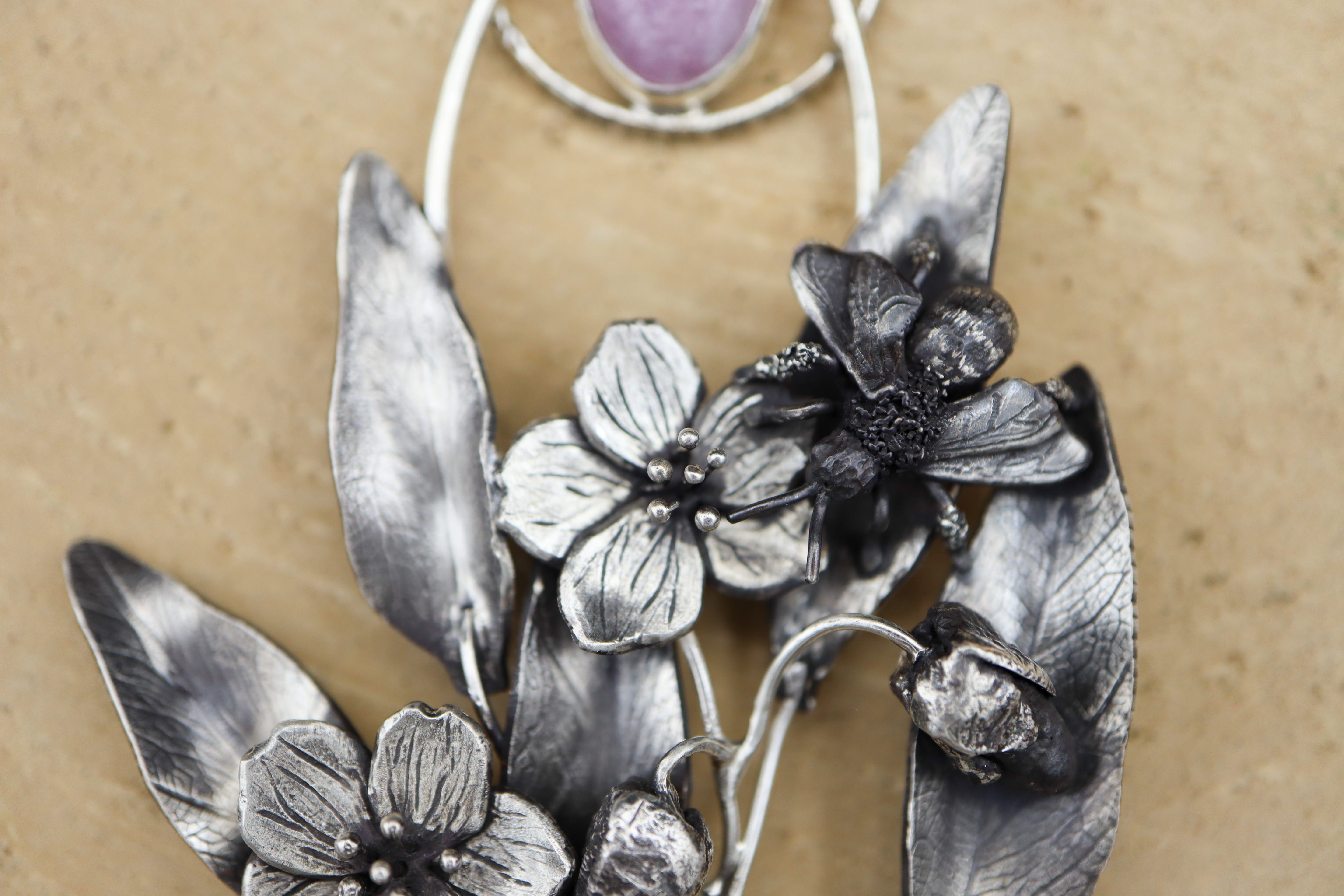
I created a necklace from my love of these fluffy animals. Skunks are such beautiful animals that are more deserving of love, understanding, and protection from us. Every time I see one waddling through the yard at dusk, I am reminded how much quiet work they are doing for us without ever asking for anything in return.
You can read more about this special piece here -
https://stripedcatmetalworks.com/products/flower-the-skunk-necklace






Leave a comment
This site is protected by hCaptcha and the hCaptcha Privacy Policy and Terms of Service apply.