
The Bumblebee's Secret Superpower (And the Wasp You Should Stop Being Afraid Of)

Last week I was sitting in the long grass on our blueberry hill with Simon the chicken, pretending I meditate. The sun was warm and the hill was full of insects doing their work around me, and I was doing my best to sit still and pay attention instead of making a mental list of everything else I should be doing.
That is when I noticed the bumblebee. Or, rather, heard her.
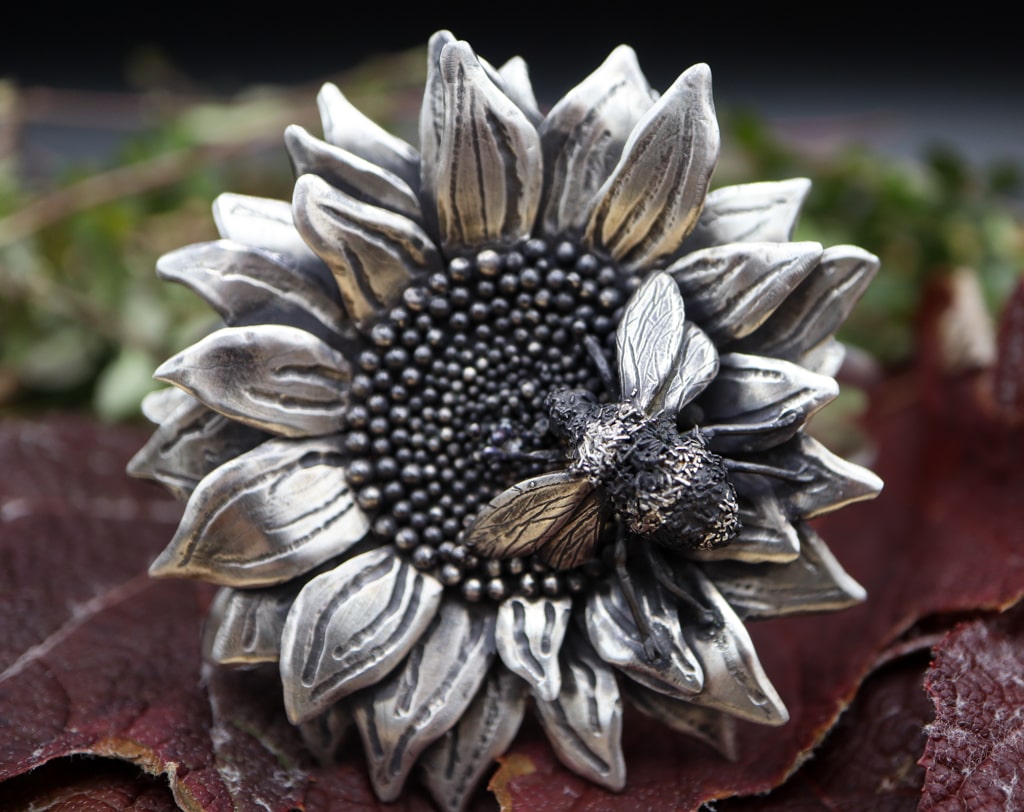
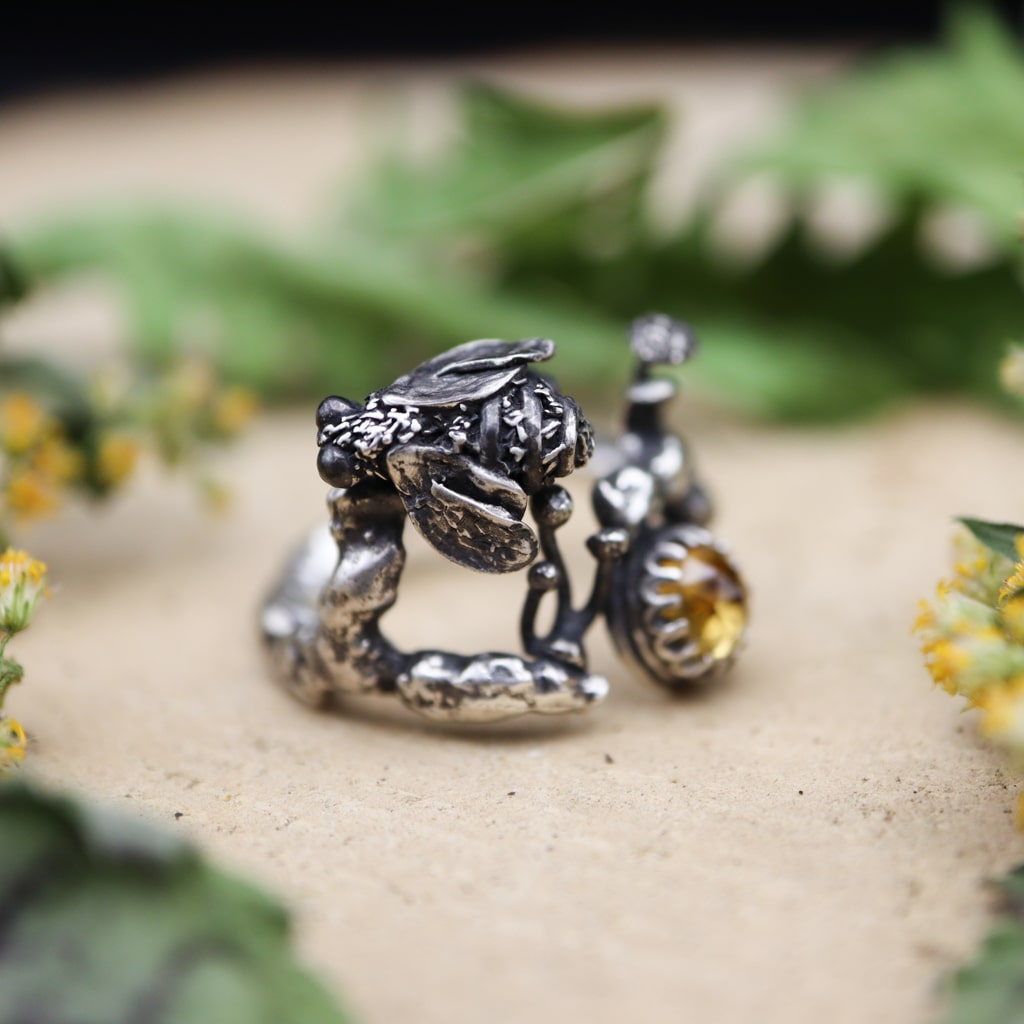
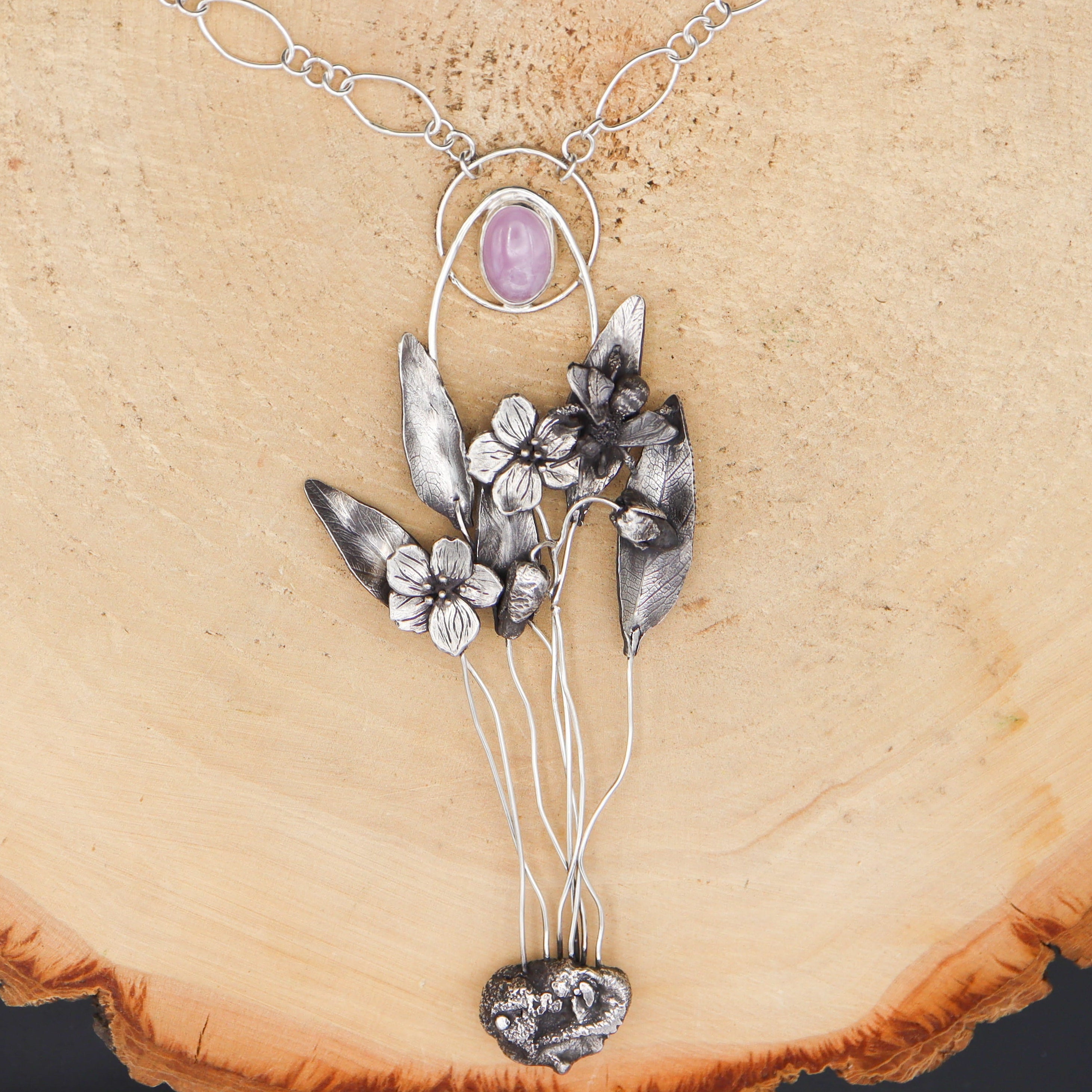
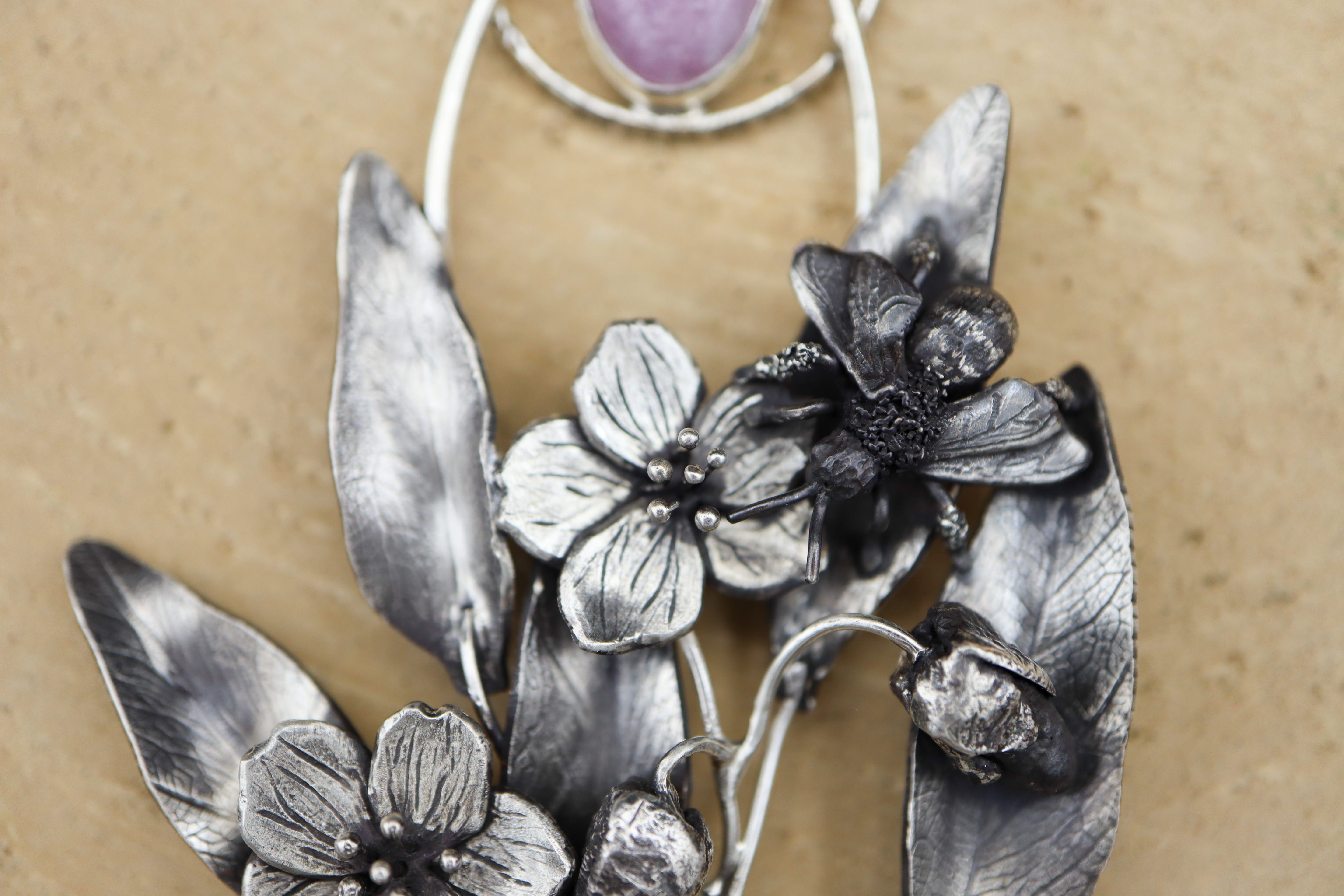
She was working the blueberry flowers, which are tiny and pale and not particularly impressive looking, and she kept pushing herself into them in a way that looked almost frantic. I watched her for a long time. I already knew what she was doing. I have written about buzz pollination before, back when I made my first bumblebee piece. But knowing about something and actually watching it happen in front of you in the long grass on a warm afternoon are two completely different things.
She was vibrating. Grabbing onto that tiny flower and shaking herself at a frequency so specific and so perfectly calibrated that the pollen had no choice but to let go. This is called sonication, or buzz pollination, and no honeybee on earth can do it. The blueberry flowers we would eventually eat from that hill existed in that moment because of her, and only her, doing this one very specific thing that she was built to do.
I sat there with Simon and watched her work and felt, not for the first time, completely astonished by the world.

The Bumblebee's Superpower
Buzz pollination, or sonication, is one of the most remarkable abilities in the insect world. The bumblebee grabs onto a flower and vibrates her flight muscles at a precise frequency, essentially turning herself into a tiny living tuning fork. The vibration shakes the pollen loose in a way that nothing else can replicate.
Blueberries need this. Tomatoes need this. Certain native wildflowers need this. The honeybee, for all her fame, cannot do it. She simply does not have the equipment.
This is what I think about when I think about pollinators. Not just that they exist and that we need them, which we do desperately, but that each one is so specifically and perfectly built for the work they do. The relationship between a pollinator and a flower is not casual. It is the result of millions of years of negotiation between two living things, each one shaping the other, until the bumblebee's body and the blueberry flower fit together like something that was always meant to be exactly this way.
This is called coevolution. It is one of the most beautiful ideas in all of biology.

The Wasp You Should Stop Being Afraid Of
Not all pollinators are who you expect.
The great black wasp is one of the most misunderstood creatures in the garden. She is large and glossy black with wings that catch the light and turn an unexpected shade of iridescent blue, and most people who encounter her do exactly the wrong thing, which is to panic.
Please do not panic.
She is solitary. She does not have a colony to defend. She is not interested in you at all. The females are the only ones with a stinger, and they use it for one purpose only, which is to paralyze the katydids and grasshoppers she hunts to feed her larvae underground. She stings each one precisely three times, in exactly the right places to immobilize without killing, because her larvae need living food. She has been doing this for longer than we can imagine and she is very, very good at it.
And then, when she is not doing that, she is visiting your milkweed. Your mountain mint. Your native sunflowers. She is covered in fine hairs that collect pollen as she moves from flower to flower, doing the quiet essential work of keeping your garden alive.
She is not a threat. She is an ally. She is a mother. She just looks intimidating, which, if you think about it, is a pretty kickass thing to be.

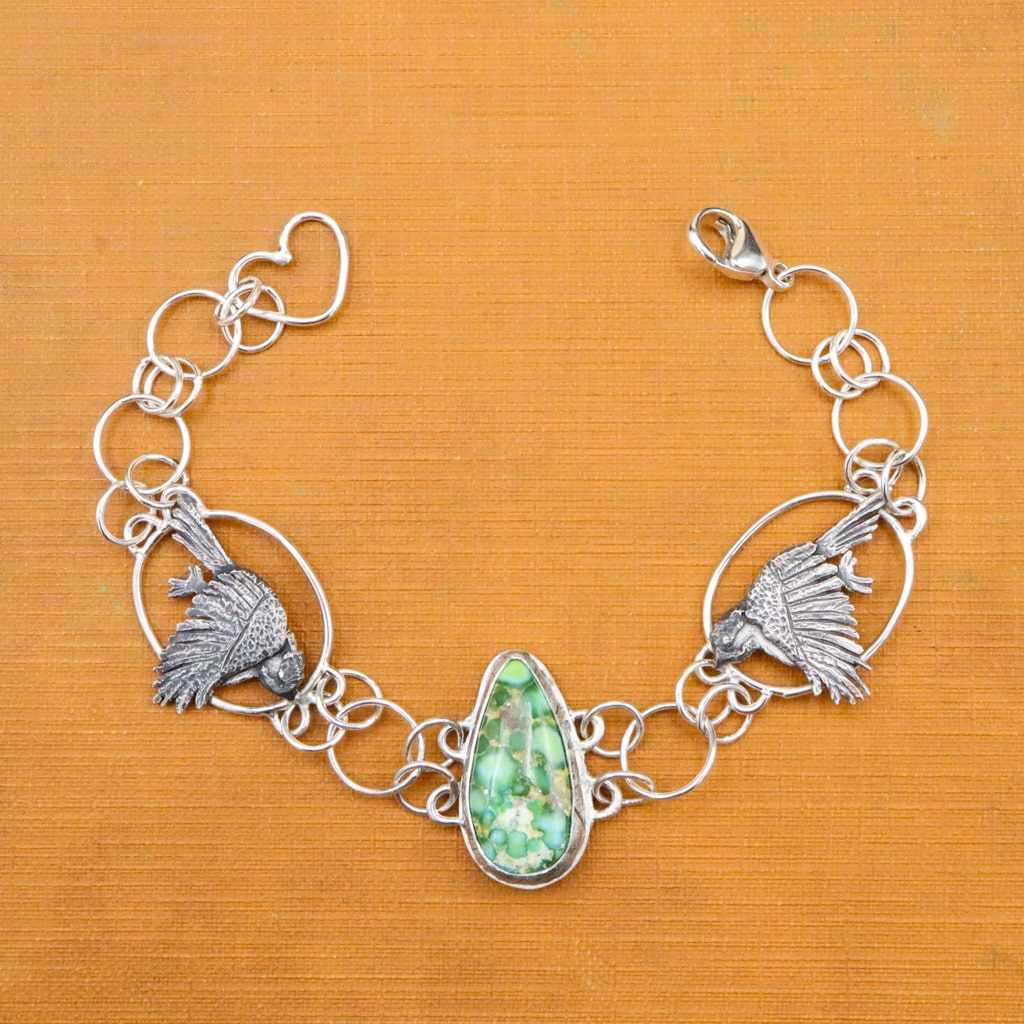
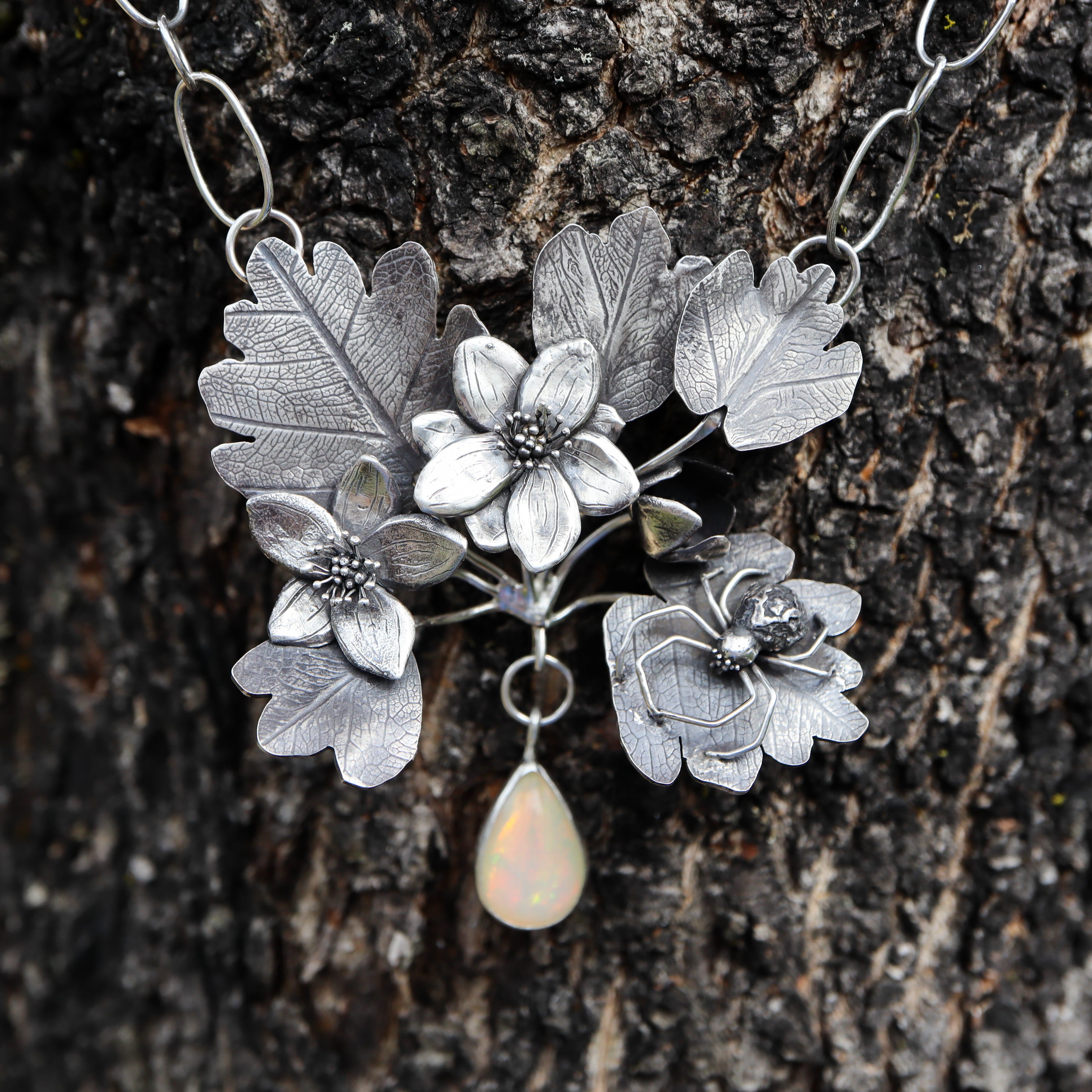
Great Black Wasp Necklace
What You Can Do
The bumblebee on your blueberry flowers and the great black wasp on your mountain mint are not asking for much. They need native plants to forage on. They need undisturbed ground and hollow stems to nest in. They need you to put down the pesticides and leave the leaf litter and resist the urge to tidy everything up.
They have been doing this work since long before any of us arrived. The least we can do is get out of the way and occasionally sit in the long grass and watch.
With love from the woods,
Tamara & Max





Leave a comment
This site is protected by hCaptcha and the hCaptcha Privacy Policy and Terms of Service apply.